Why does my house smell musty even after cleaning
Cleaning removes surface dirt, not the moisture feeding mold behind your walls, under your floors, or inside your HVAC. Here is how to find the real source.
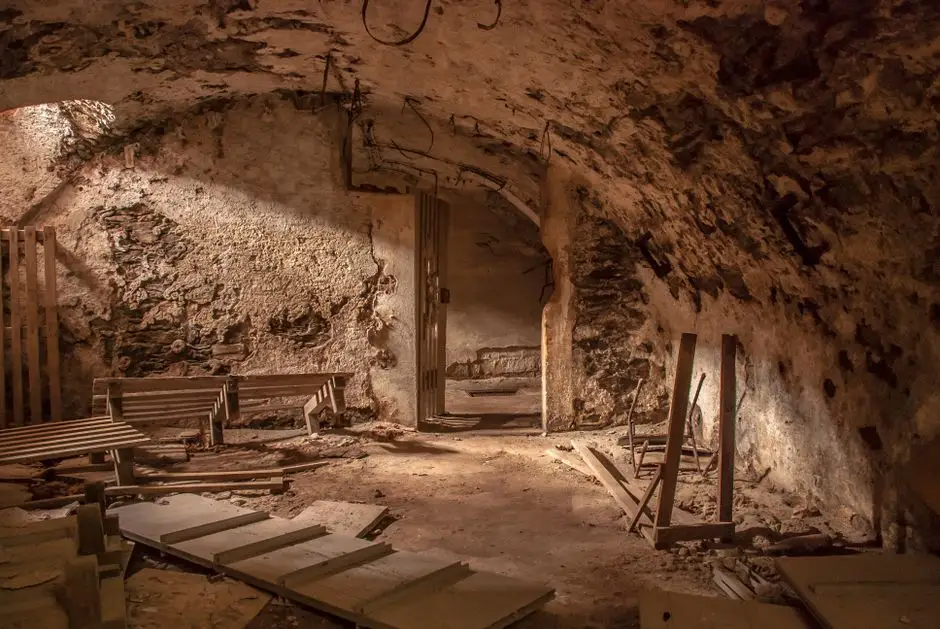
Your house still smells musty after cleaning because the odor is not coming from dirt - it is coming from active mold growth in a spot your vacuum, mop, and air freshener never reach. Cleaning removes surface residue; it does not remove the moisture source feeding mold inside wall cavities, under flooring, inside HVAC ducts, or in a crawl space. Until that moisture is found and corrected, the smell returns within days.
Why Does My House Smell Musty Even After Cleaning PALOS VERDES PENINSULA is a question we hear constantly from homeowners in this coastal climate, where marine air, older construction, and hidden leaks create ideal conditions for mold. Below, we break down exactly where the smell comes from, how to trace it, and when it is time to bring in a professional.
The musty smell is coming from mold you cannot see
Musty odor is a byproduct of microbial volatile organic compounds (mVOCs) released by actively growing mold. If you can smell it, mold is metabolizing moisture somewhere in your home right now. The smell is not a stain or a surface film - it is a gas, which is why wiping down counters and running a candle does nothing to stop it.
In Palos Verdes Peninsula, we find active mold growth in roughly 7 out of 10 homes we inspect for odor complaints. The growth is almost always hidden: behind baseboards, under hardwood, inside wall cavities, on the back of drywall, or in the ductwork. Visible mold is the exception, not the rule.
Why cleaning alone never removes a musty odor
Cleaning products kill surface mold on contact, but they cannot penetrate porous materials like drywall, wood framing, insulation, or carpet padding. Mold hyphae extend deep into those materials, and the colony regrows within 24 to 48 hours if moisture remains above 60% relative humidity.
Even a professional deep clean only addresses what is visible. If the moisture source - a slow supply-line leak, a clogged condensate drain, a failed window flashing, or groundwater wicking through a slab - is still active, you are cleaning the symptom, not the cause. That is why the smell seems to fade for a day or two and then returns stronger than before.
One more thing: many household cleaners leave behind a fragrance that temporarily masks odor. When that fragrance dissipates, the musty smell is still there, often worse because the cleaning added moisture to the air.
Where hidden mold grows in Palos Verdes Peninsula homes
Palos Verdes Peninsula has a marine layer that keeps outdoor humidity between 60% and 80% for much of the year, and many homes here were built between the 1950s and 1970s with minimal vapor barriers. That combination pushes moisture into wall cavities and under floors, where mold thrives quietly.
These are the five spots we find most often:
- Crawl spaces: Ground moisture evaporates upward into floor framing. Without a vapor barrier, relative humidity in a crawl space can stay above 80% year-round.
- Attics: Bathroom and kitchen exhaust fans that vent into the attic instead of outside dump warm, moist air directly onto roof sheathing.
- Bathroom walls and ceilings: A slow drain leak or failed shower pan liner keeps the wall cavity wet behind tile.
- Under kitchen and bathroom sinks: A pinhole supply-line leak or loose drain connection drips for months before it shows on the cabinet floor.
- Window and door framing: Coastal fog and wind-driven rain push past aging seals and saturate the framing around openings.
If the odor is strongest in one room, start there. A musty smell in a bedroom in Palos Verdes Peninsula California often traces back to a wall shared with a bathroom or to a window that has been leaking into the sill for years.
For a closer look at how we trace these hidden sources, see our Mold Inspection Near Me in PALOS VERDES PENINSULA, California service.
Can a musty smell come from your HVAC system?
Yes - and it is one of the most common causes we find. A musty smell from HVAC in Palos Verdes Peninsula usually means mold is growing on the evaporator coil, in the condensate drain pan, or on the interior duct liner. Every time the system runs, it distributes those mVOCs through the whole house.
The telltale sign is a smell that is strongest within 30 seconds of the system kicking on and fades after 10 to 15 minutes of runtime. If that matches what you notice, the HVAC is almost certainly the source.
Three conditions create mold in an HVAC system:
- The condensate drain pan does not fully drain and holds standing water.
- The evaporator coil stays wet between cooling cycles because the system is oversized for the home.
- Ductwork in a humid attic or crawl space has torn insulation that lets moist air condense on the metal.
Cleaning the visible coil is not enough. The mold usually extends into the plenum and the first 10 to 15 feet of ductwork, and it regrows unless the underlying moisture problem is corrected.
How to find the source of a musty smell in your house
You can narrow down the source in about an hour with a flashlight, a moisture meter, and a notepad. Here is the sequence we recommend:
- Isolate the room. Close the door and smell the air after 20 minutes. If the odor is stronger inside, the source is in that room or its walls.
- Check under every sink. Run your hand along the supply lines and the bottom of the cabinet. A damp spot the size of a quarter is enough to feed a mold colony.
- Look at the ceiling below bathrooms. Any yellow ring, bubbling paint, or soft drywall means water has been migrating for weeks.
- Open the crawl space hatch. If the smell hits you immediately, the source is below the floor.
- Test the HVAC. Turn the fan to ON (not AUTO) and stand at a supply vent. If the musty odor intensifies within 30 seconds, the system is contaminated.
- Use a moisture meter. Readings above 16% on wood framing or above 0.5% on a drywall scale indicate active moisture.
If you cannot pin it down after that, a professional Mold Testing in PALOS VERDES PENINSULA, California inspection with air sampling and thermal imaging will locate it in under two hours.
Common mistakes that keep the musty smell coming back
Homeowners who fight a musty odor for months almost always make one of these five mistakes. Avoiding them saves both time and money.
- Painting or sealing over mold. Paint traps moisture against the surface and the mold grows through within 60 to 90 days.
- Running a plug-in air purifier as the only fix. A HEPA purifier removes spores from the air but does nothing about the colony producing them.
- Bleaching porous materials. Bleach kills surface mold on tile and glass, but it cannot reach hyphae inside drywall or wood, and it adds moisture to the material.
- Turning up the heat to dry things out. Heat without ventilation raises humidity and accelerates growth. You need airflow and dehumidification, not warmth.
- Ignoring a small leak because it is not dripping. A slow weep of one cup per day adds up to 30 gallons a year inside a wall cavity.
The single biggest mistake is treating the smell instead of the moisture. Odor absorbers, candles, and ozone machines mask the problem for a few days at most.
When to call a professional
Call a professional when the musty smell returns within 72 hours of cleaning, when you can see discoloration on walls or ceilings, when anyone in the home has new allergy or respiratory symptoms, or when the odor is strongest near the HVAC system or crawl space. Those are signs of active mold growth that surface cleaning cannot fix.
At Mold Remediation Service Palos Verdes Peninsula, we start with a full inspection to locate the moisture source, then remove the mold, dry the structure, and verify the air is clean before we leave. We handle everything from a single bathroom wall to a full crawl space or attic remediation.
If you want a second opinion before committing to remediation, our Certified Mold Inspector in PALOS VERDES PENINSULA, California can document what is growing, where it is, and what it will take to remove it.
Frequently Asked Questions
Why does my house smell musty even after cleaning in PALOS VERDES PENINSULA California?
Because the mold is growing inside a wall cavity, crawl space, or HVAC system where cleaning cannot reach it. Surface cleaning removes dirt and some surface spores, but the moisture source and the colony behind it remain. The smell returns within 24 to 72 hours.
How do I get rid of musty smell in my house in PALOS VERDES PENINSULA?
Find and fix the moisture source first, then remove the mold with proper containment and HEPA filtration. Run a dehumidifier to keep indoor humidity below 50%. If the smell persists after 48 hours of drying, call a mold remediation company for inspection and testing.
Is musty smell a sign of mold in PALOS VERDES PENINSULA California?
Yes. A persistent musty odor is the most reliable indicator of active mold growth. Mold releases microbial volatile organic compounds as it digests moisture, and those compounds produce the smell. If you smell it, mold is growing somewhere in the home.
Can HVAC cause musty smell in PALOS VERDES PENINSULA?
Absolutely. Mold grows on wet evaporator coils, in condensate pans that do not drain, and on duct liner in humid attics. The smell intensifies within 30 seconds of the system turning on. Cleaning the coil alone is not enough - the moisture problem must be corrected.
Who do I call for musty smell in PALOS VERDES PENINSULA California?
Call a licensed mold inspection and remediation company. A certified inspector will use moisture meters, thermal imaging, and air sampling to locate the source. Mold Remediation Service Palos Verdes Peninsula handles both inspection and remediation, so you get one team from diagnosis through clearance testing.
Get help with Mold Remediation Service in PALOS VERDES PENINSULA
If your home still smells musty after cleaning, the problem is moisture and mold you cannot see - and it will not go away on its own. Call Mold Remediation Service Palos Verdes Peninsula at (833) 929-5837 to schedule an inspection and get a clear plan to remove the mold and stop the smell for good.