Toxic Mold Removal in Portuguese Bend: Is It Really Dangerous?
Yes, toxic mold in Portuguese Bend can be dangerous. Learn the real health risks, warning signs, and how safe removal works in PALOS VERDES PENINSULA.
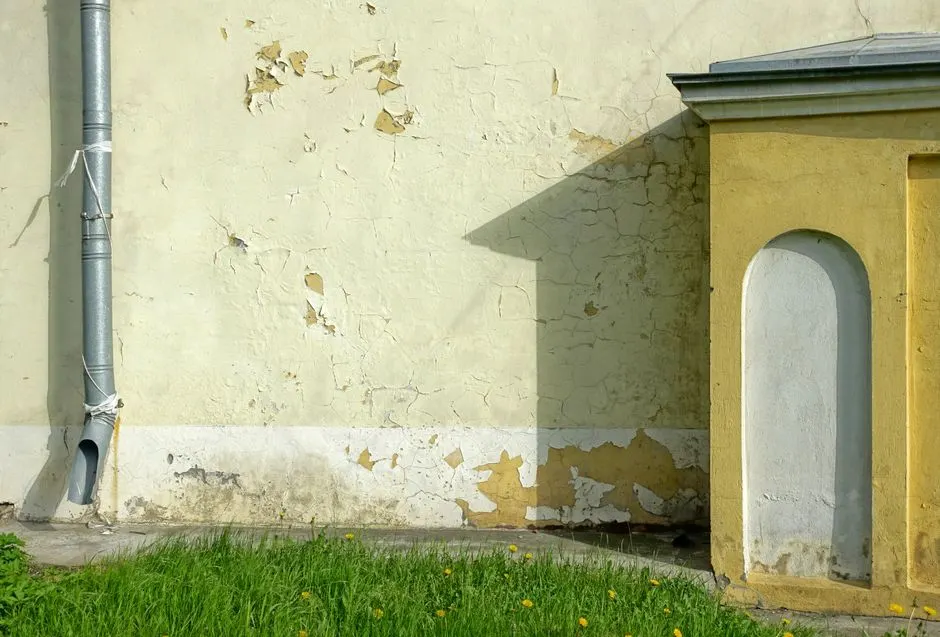
Yes - toxic mold in Portuguese Bend is genuinely dangerous, and the danger is not limited to the mold itself. The bigger risk is the mycotoxins and airborne spores that Stachybotrys and other toxigenic molds release into the air your family breathes. Toxic mold removal in Portuguese Bend is really dangerous is a fair question to ask, and the honest answer is that the mold is hazardous but the removal process is not, as long as it is done by trained technicians with containment and air scrubbing. Below we cover why Portuguese Bend homes grow this stuff so easily, what symptoms to watch for, how to tell toxic mold from ordinary mildew, and when it is time to call us.
Yes, Toxic Mold in Portuguese Bend Is Dangerous - Here's Why
Toxic mold removal in Portuguese Bend is a service that addresses mold species capable of producing mycotoxins - chemical compounds that trigger immune and neurological reactions in sensitive people. The most cited offender is Stachybotrys chartarum, often called black mold, but Aspergillus, Penicillium, and Chaetomium can also produce toxins under the right conditions.
What makes these molds different from the fuzzy green stuff on a forgotten loaf of bread is the mycotoxin load. When Stachybotrys colonizes a wet wall cavity, it does not just sit there - it releases spores and microbial volatile organic compounds (mVOCs) into the air. A 2024 review in the Journal of Fungi linked chronic indoor mold exposure to asthma exacerbation, sinusitis, and cognitive complaints in roughly 20-25% of genetically susceptible people.
That does not mean every person who walks into a moldy room gets sick. It means the risk is real, cumulative, and highest for infants, the elderly, and anyone with a compromised immune system or existing respiratory condition. If you have had a slow leak behind a bathroom wall for six months, the colony has had six months to produce toxins.
Why Portuguese Bend Homes Grow Toxic Mold So Easily
Portuguese Bend sits on a landslide complex, and that geology changes how water behaves under your house. The same clay soils that make the area famous for shifting foundations also trap moisture against stem walls and crawl spaces for weeks after a rain.
Add the marine layer that rolls in off the Pacific most mornings from May through August, and you have an environment where relative humidity indoors can sit above 60% without anyone running a humidifier. Mold needs three things: moisture, organic material (drywall paper, wood framing, carpet backing), and temperatures between 60°F and 80°F. Portuguese Bend delivers all three for most of the year.
We see the same patterns repeatedly:
- Crawl spaces with no vapor barrier, where ground moisture wicks up into floor joists.
- Bathroom ceilings below upstairs showers with failed grout or a slow drain pan leak.
- Attic sheathing near roof penetrations where a flashing leak has been dripping since last winter.
- Window frames on the ocean side of the house, where wind-driven rain pushes past aging seals.
If you have noticed a musty smell that gets stronger when the heat kicks on, that is often the first sign. A professional Mold Inspection Near Me in PALOS VERDES PENINSULA, California can confirm whether the source is active and how far it has spread.
What Are the Symptoms of Toxic Mold Exposure in Portuguese Bend?
Toxic mold symptoms Portuguese Bend residents report most often are respiratory and neurological, and they tend to worsen the longer you stay in the affected room. The classic cluster includes:
- Chronic cough, wheezing, or shortness of breath that improves when you leave the house.
- Sinus congestion, post-nasal drip, and frequent headaches.
- Brain fog, difficulty concentrating, or short-term memory lapses.
- Unexplained fatigue, dizziness, or light sensitivity.
- Skin rashes or itchy, watery eyes with no other allergy trigger.
Children and pets often show symptoms first because they spend more time on the floor, where settled spores concentrate. If your child's asthma has gotten harder to control since you moved into a particular room, or if the family dog has started scratching constantly, mold is worth ruling out.
These symptoms overlap with seasonal allergies and viral infections, so the pattern matters more than any single complaint. Symptoms that fade when you are at work or on vacation and return within hours of coming home are a strong signal. If you want to know what is actually in the air, Mold Testing in PALOS VERDES PENINSULA, California gives you lab-verified spore counts instead of guesswork.
How Do I Know If Mold in Portuguese Bend Is Toxic?
You cannot identify toxic mold by color alone, and anyone who tells you otherwise is guessing. Black mold danger Portuguese Bend homeowners worry about is real, but plenty of harmless molds are also black, and Stachybotrys can appear dark green or gray depending on what it is growing on.
The only reliable way to know is laboratory analysis. A certified inspector collects air samples and surface swabs, sends them to an accredited lab, and you get a report listing the genus and spore concentration. That report is what tells you whether you are dealing with Stachybotrys, Aspergillus/Penicillium, or a common Cladosporium that just needs cleaning.
Three signs that push us toward testing every time:
- The mold is growing on cellulose-rich material like drywall paper or bare wood, not tile grout.
- There is a known water event - a slab leak, roof leak, or flood - within the last 12 months.
- Occupants have symptoms that correlate with time spent in a specific room.
For suspected Stachybotrys, we recommend a dedicated Black Mold Inspection in PALOS VERDES PENINSULA, California because the sampling protocol is different from a general inspection and the lab panel targets toxigenic species specifically.
What to Watch Out For: Common Mistakes With Toxic Mold
The most expensive mistake we see is homeowners spraying bleach on visible mold and calling it done. Bleach kills surface mold on non-porous materials, but it does not penetrate drywall paper or wood, and it does not address the colony inside the wall cavity. Within two to three weeks, the mold is back - often worse, because the moisture source was never fixed.
Other mistakes that turn a small problem into a big one:
- Running a fan or central HVAC in a moldy room. This aerosolizes spores and spreads them through the whole house.
- Drywall removal without containment. Tearing out moldy drywall without plastic sheeting and negative air pressure contaminates every surface in the room.
- Ignoring the moisture source. Removing mold without fixing the leak is like mopping under a running faucet.
- Assuming a dehumidifier is enough. A residential dehumidifier helps, but it will not dry out a saturated wall cavity.
- Trusting a home test kit. Petri dish kits grow whatever lands on them, including mold that was already in the air, and give no species identification.
If you have already disturbed moldy material, stop and ventilate the area. Then call us before you do anything else. Our Mold Remediation Company in PALOS VERDES PENINSULA, California handles containment, removal, and clearance testing as one job, so you are not coordinating three different contractors.
When to Call a Professional
Call a professional when the mold covers more than 10 square feet, when it is inside a wall cavity or HVAC system, or when anyone in the home is experiencing symptoms. Those three triggers cover about 90% of the jobs we get called to in Portuguese Bend.
Small surface mold on a shower curtain or a windowsill - under 10 square feet - you can usually handle yourself with detergent, water, and a HEPA vacuum afterward. But once mold has colonized drywall, insulation, or structural wood, DIY removal risks spreading spores through the house and leaving mycotoxin residue behind.
Our team at Mold Remediation Service Palos Verdes Peninsula follows the IICRC S520 standard for mold remediation. That means we build containment, run HEPA air scrubbers, remove and bag contaminated material, treat the remaining structure, and verify the job with post-remediation air sampling before we call it complete. If you are not sure whether your situation warrants a pro, call us and describe what you are seeing - we will tell you honestly.
Frequently Asked Questions
Is toxic mold in Portuguese Bend really dangerous in PALOS VERDES PENINSULA California?
Yes. Toxigenic molds like Stachybotrys produce mycotoxins that can trigger respiratory, neurological, and immune symptoms, especially in children, the elderly, and people with asthma or compromised immunity. The risk grows with exposure time, so a colony that has been wet for months is more dangerous than one discovered within days.
What are symptoms of toxic mold exposure in Portuguese Bend?
Common symptoms include chronic cough, wheezing, sinus congestion, headaches, brain fog, fatigue, dizziness, skin rashes, and itchy eyes. The telltale pattern is symptoms that improve when you leave the building and return within hours of coming back. Children and pets often show signs first.
How do I know if mold in Portuguese Bend is toxic in PALOS VERDES PENINSULA California?
You cannot tell by color or smell. Lab testing - air samples and surface swabs analyzed by an accredited lab - is the only reliable method. A certified inspector collects the samples and gives you a report identifying the mold genus and spore concentration so you know exactly what you are dealing with.
Who does toxic mold removal in Portuguese Bend?
Mold Remediation Service Palos Verdes Peninsula handles toxic mold removal across Portuguese Bend and the rest of the Peninsula. We follow IICRC S520 standards, build full containment, use HEPA filtration, and verify the work with post-remediation clearance testing. Call (833) 929-5837 to schedule an assessment.
Can toxic mold in Portuguese Bend make you sick in PALOS VERDES PENINSULA California?
Yes, it can. Exposure to mold spores and mycotoxins is linked to asthma flare-ups, chronic sinusitis, and cognitive complaints in susceptible people. Not everyone reacts the same way, but if you have symptoms that track with time spent in a specific room, mold is a likely contributor and should be tested.
Get Help With Mold Remediation Service in PALOS VERDES PENINSULA
If you have found mold in your Portuguese Bend home - or you just have that musty smell you cannot place - do not wait for it to spread. We inspect, test, and remove toxic mold safely, and we verify the air is clean before we leave.
Call Mold Remediation Service Palos Verdes Peninsula at (833) 929-5837 to schedule your inspection. We serve Portuguese Bend, Rolling Hills, Rancho Palos Verdes, and the surrounding Peninsula communities.